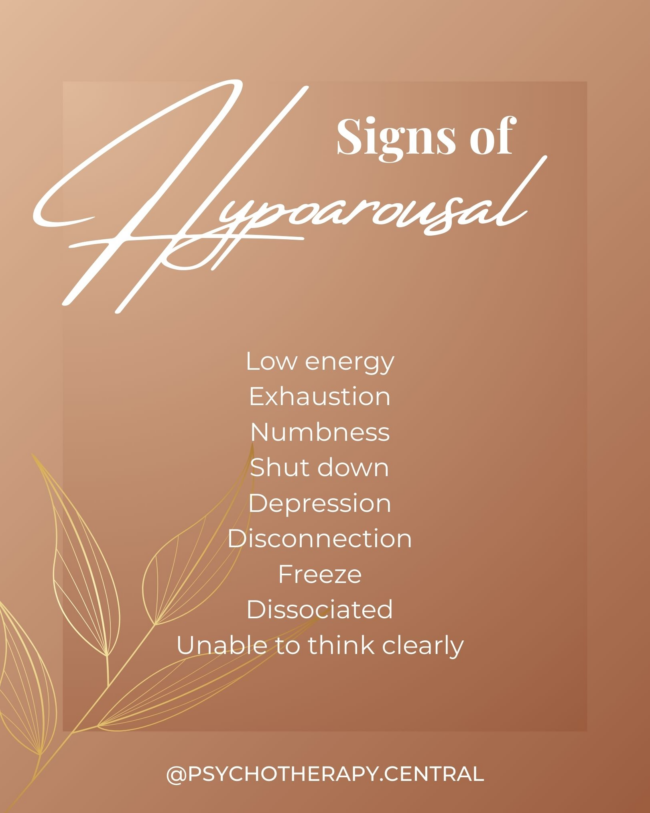
Hypoarousal Hypoarousal is another defence mechanism. It can feel like exhaustion, numbness, disconnection from everything and everyone, or like you’re moving through a dream. You may want to sleep a lot, eat very little, and feel shut down or dissociated. …
Category: Healing
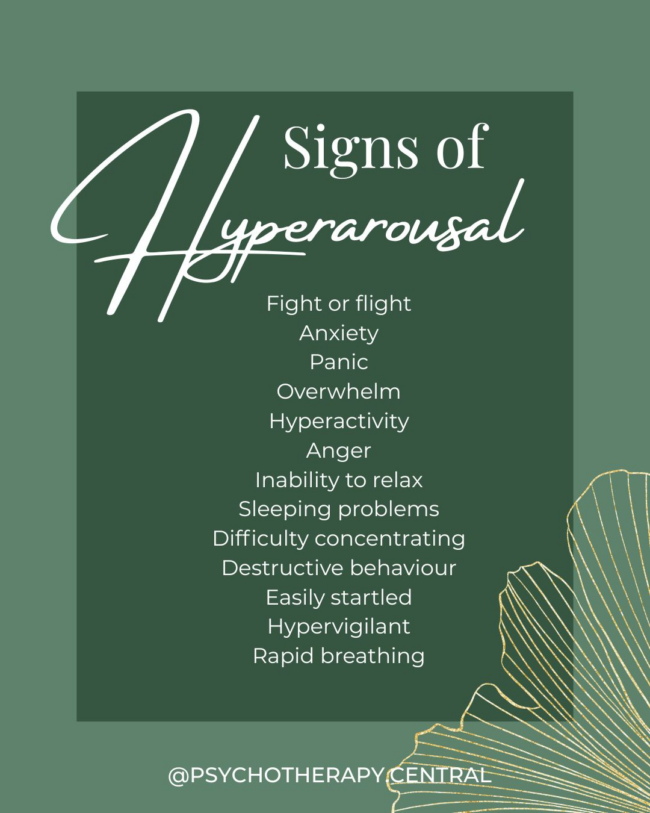
Signs of Hyperarousal and Understanding Your Window of Tolerance
Signs of Hyperarousal Most of the time, we live within what’s called our Window of Tolerance — a safe range of arousal where we feel grounded, present, and able to self-regulate. In this state, the reasoning part of our brain …
Are You Betraying Yourself in Small Ways Every Day?
Little self-betrayals add up. Saying yes when you mean no. Pushing down your real needs. Forgetting to check in with yourself. We often think self-betrayal is only about the big moments. But it’s in the small choices where the patterns …
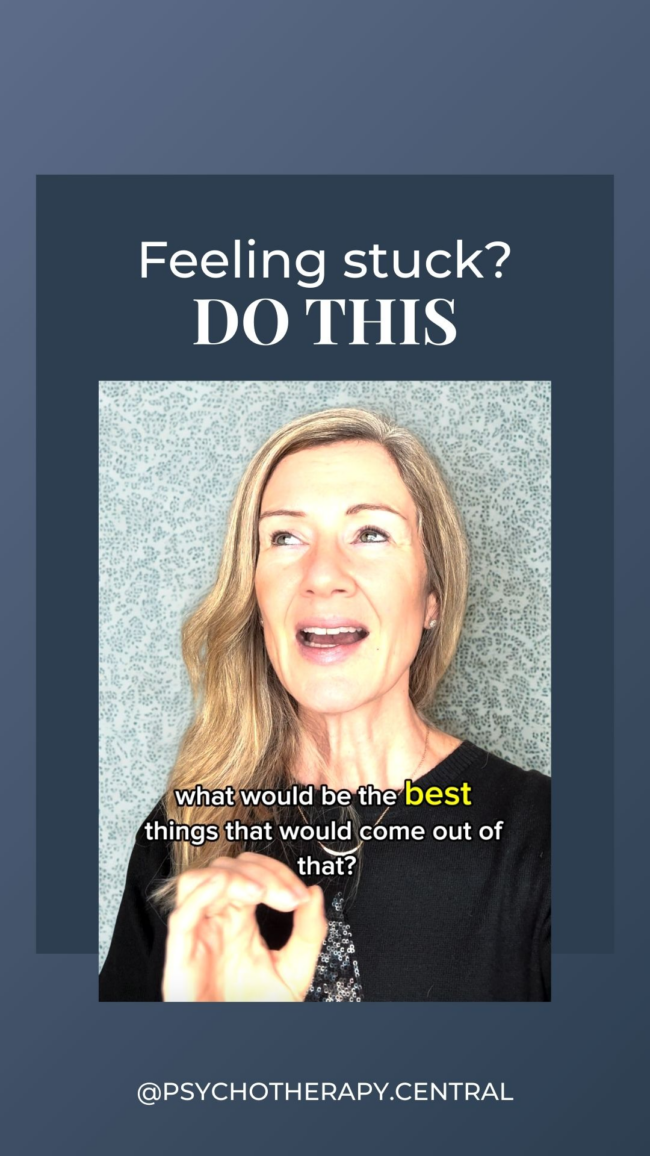
Feeling Stuck? Three Questions to Ask Yourself When You Can’t Let Go
You know that feeling when you desperately want to give something up, but you just can’t? We often feel stuck when different parts of us want different things. One part might want to give something up, while another part clings …
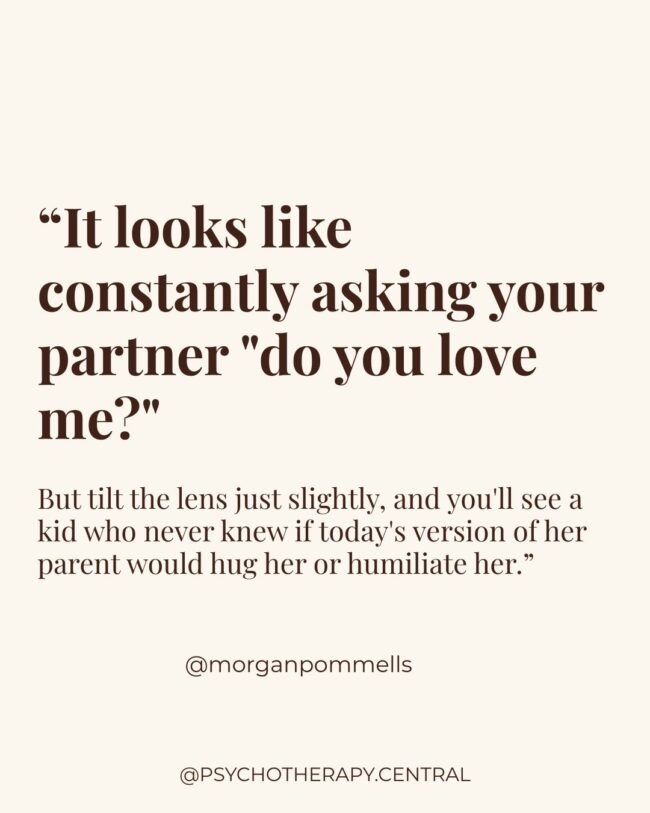
“Do You Love Me?” — When an Old Part of You Is Speaking
When you find yourself asking your partner again and again, “Do you love me?”, it’s not about being clingy or dramatic. Often, it’s an old part of you speaking. A younger part that once lived in uncertainty. A child who …
How to Reconnect With Your Needs
When your needs have been ignored or dismissed, it can feel almost impossible to trust them. But you can gently rebuild that connection. 1. Pause and Notice When you feel discomfort, pause and ask: “What am I needing right now?” …
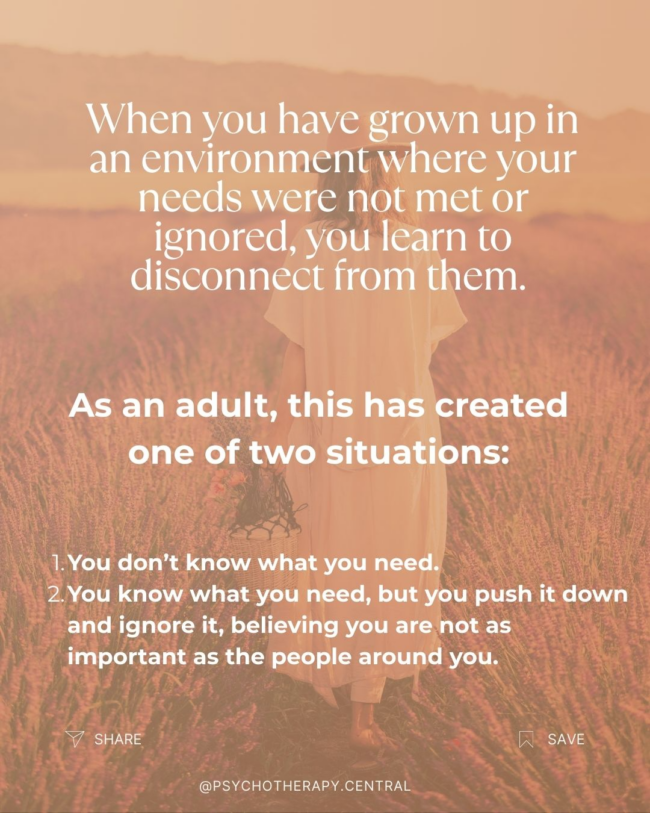
Self-Betrayal: Why You Learned to Disconnect from Your Needs
When you have grown up in an environment where your needs were not met or ignored, you learned to disconnect from them. As an adult, this has created one of two situations: When your needs as a child were not …