It’s okay to: Remember: You are allowed to take the time you need to give your full consent. Your dentist, doctor, gynaecologist, and surgeon are there to support you. Yes, they are more knowledgeable than you in many areas, but …
Tag: Trauma
Are You Terrified of the Dentist?
My first traumatic medical experience was at the dentist. I was having four healthy teeth removed so I could have braces fitted. This was standard practice in the UK then, but not now. I remember the taste of the injections, …
Medical Trauma
🧠 Medical trauma isn’t just about what happened, it’s about how it was experienced by the child. Even the most well-intentioned care can leave lasting emotional wounds if not met with safety, clarity, and support. If this resonates with you, …
A Trauma-Informed Perspective
When we meet someone who has experienced trauma, it helps to hold a dual lens. The first lens meets the behaviour—often the protective system that person has developed to stay safe. This might look like withdrawal, anger, or a refusal …
Post Traumatic Growth
Have you ever heard the phrase – ‘breakdown to breakthrough?’ We often talk about the pain of trauma and a breakdown, but not enough about what can emerge on the other side, a breakthrough. 🌱 Post-Traumatic Growth is about what …
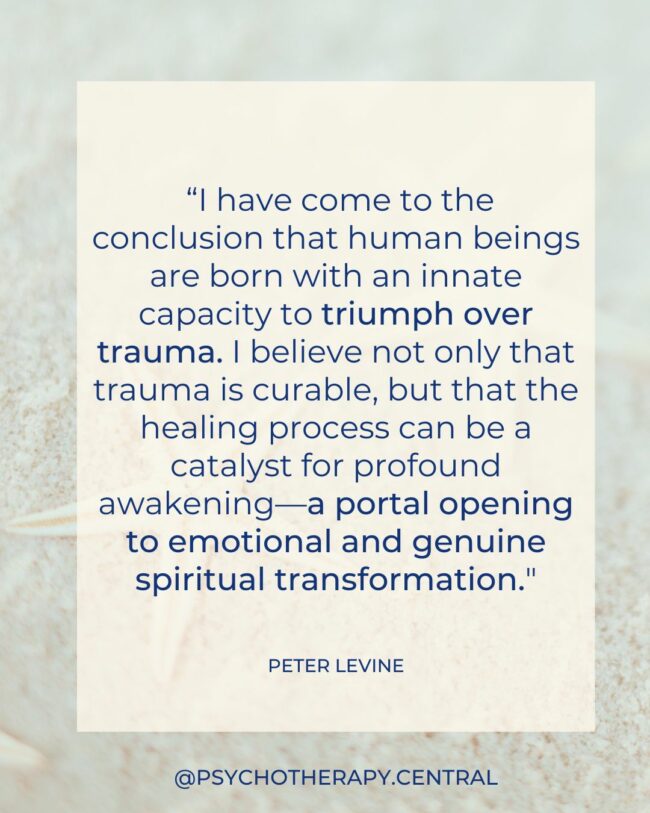
Peter Levine Quote
Recovery from trauma is the norm. But sometimes, for different reasons, the trauma gets stuck. It doesn’t get processed through the nervous system, the body and the mind in the way it needs to be processed and integrated. This can …
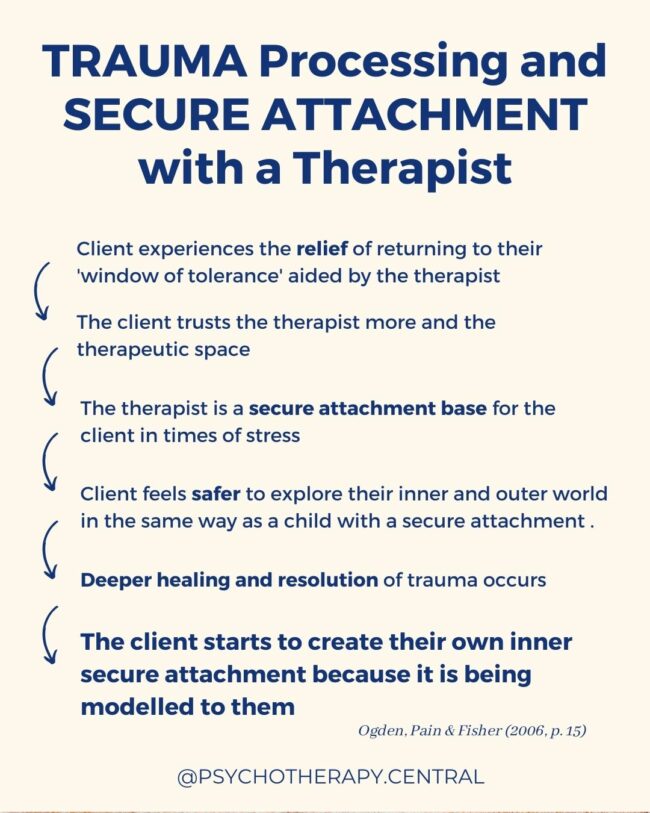
TRAUMA Processing and SECURE ATTACHMENT with a Therapist
Therapy offers a unique opportunity to foster inner secure attachment, especially for those who didn't experience it growing up. Through a supportive, trusting environment, individuals can explore and heal from trauma, creating a nurturing relationship with themselves. This transformative process …

Integrating Traumatic Experiences
When we experience trauma, our thoughts, emotions, and body can feel fragmented—like they’re speaking different languages. We might notice flashbacks, racing thoughts, numbness, dissociation, or a pounding heart. These reactions come from different parts of the brain: Neocortex = thoughtMammalian …

The Top Down Approach to Trauma
When we work with trauma from a top-down perspective, we start with the brain—specifically the neocortex, the part responsible for thinking, meaning-making, and language. Cognitive Behavioural Therapy (CBT), recommended by the American Psychiatric Association to treat PTSD, helps us reframe …

A Bottom-Up Approach to Trauma
Top-Down vs Bottom-Up Healing When it comes to trauma therapy, the order matters. A top-down approach starts with the thinking brain (neocortex). Cognitive Behavioural Therapy (CBT) is a good example—reframing thoughts to shift behaviour. But here’s the challenge: when you’re …