The version of you that shuts down in relationships… probably learned that closeness wasn’t always safe. Some people don’t get louder when they feel unsafe. They get quieter. They stop texting back. Need space. Feel overwhelmed. Disconnect emotionally. Or suddenly …
Category: Relationships
What Actually Happens in Group Therapy?
One of the reasons I love group therapy so much is because relationship patterns often become clearer in relationship. Many people can understand their patterns intellectually, but still find themselves: Sometimes these patterns only fully appear in relationship — not …
When Love Meant Keeping the Peace
Many people learned that love meant: So they became: Not because they were weak… but because these strategies once protected connection. But healing often means learning: I can be honest, have needs, set boundaries, and still be loved. Secure relationships …
Healing Isn’t Always Dramatic
Healing isn’t always dramatic. Sometimes it’s just noticing… you don’t react the way you used to. The thing that once ruined your whole day now passes through you more gently. You pause before responding. You soothe yourself faster. You stop …
Sometimes Your Anxiety Isn’t Intuition — It’s an Old Attachment Wound
Sometimes your anxiety isn’t intuition. It’s an old attachment wound looking for danger. Intuition usually feels calm and clear. Attachment activation feels urgent, fearful, and consuming. An activated nervous system can make a delayed text, a change in tone, or …
Sometimes Your Anxiety Isn’t Intuition — It’s an Old Attachment Wound
Sometimes your anxiety isn’t intuition. It’s an old attachment wound looking for danger. Intuition usually feels calm and clear. Attachment activation feels urgent, fearful, and consuming. An activated nervous system can make a delayed text, a change in tone, or …
Why Avoidantly Attached People Often End Up Loving Therapy
Many avoidantly attached people end up loving therapy. Not because they suddenly want to talk about all their feelings. But because good therapy doesn’t force vulnerability. Many avoidant people grew up learning that depending on others felt unsafe, disappointing, overwhelming, …
Why Understanding Your Patterns Isn’t Always Enough to Change Them
You can understand your patterns… and still repeat them in relationships. Many people come to therapy already understanding their patterns intellectually. They know why they people please. Why they over-function. Why they fear abandonment. Why they shut down or withdraw. …
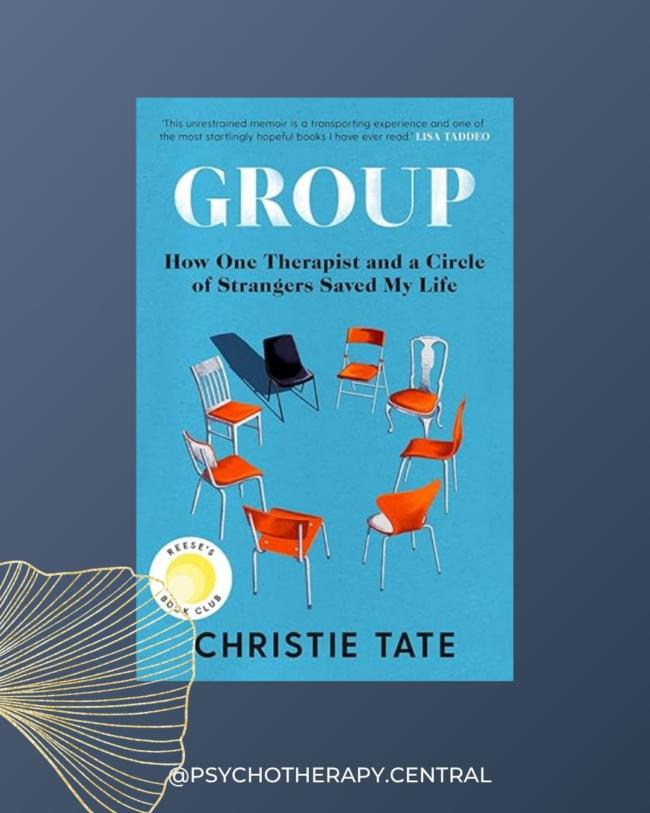
Why Group Therapy Can Be So Profoundly Healing: Reflections on ‘Group’ by Christie Tate
I just LOVED this book — Group by Christie Tate. It reminds me why group therapy can be so profoundly healing. One of the things I loved most about the book was how honestly she captured the terror of being …
Why Understanding Your Patterns Isn’t Always Enough to Change Them
You might recognise yourself in one of these: Feeling anxious, needing reassurance, and getting activated easily. Overthinking, feeling easily triggered or rejected. Or pulling away, shutting down, and finding closeness overwhelming. Going quiet, needing space, struggling with too much closeness. …