The 5 Stages of a Relationship: From the Honeymoon Phase to Enduring Love

One of the most common myths about great relationships is that they don’t have conflict. In my work with couples, I see the opposite. Every relationship moves through stages, and conflict is a normal, even necessary, part of the journey.
Relationship researchers Drs John and Julie Gottman found that what predicts a lasting relationship is not how often a couple argues, but how they handle and repair conflict. Understanding the stages of a relationship can help you make sense of where you are, and what your relationship needs right now.
What are the stages of a relationship?


I describe five stages:
- The honeymoon phase
- Differences
- Struggle
- Repair
- Enduring love
The most important thing to know is that these stages are cyclical, not a straight line. After enduring love, couples often move back into a new honeymoon phase, and the cycle begins again. Each time you move through it well, you build more intimacy, trust and safety. In a mature relationship, you might even move through the whole cycle in a single day.
Stage 1: The honeymoon phase
The honeymoon phase is the stage of falling in love. You are both wearing rose-tinted glasses, you want to spend lots of time together, there is plenty of physical intimacy, and the focus is on what you have in common.
There are real biochemical changes in the brain during this stage, with a rush of feel-good chemicals that keep you drawn to each other. Many people look back on it with fondness. Some even become hooked on the feeling of falling in love.
How long does the honeymoon phase last? It varies, but for many couples it lasts somewhere between a few months and two years.
Because the focus is on similarities, it is easy to overlook important differences and even red flags. A stark contrast in values is worth noticing. This phase is the foundation for what comes next, so it is a good time to get to know each other deeply. I share some helpful questions for the honeymoon phase here.
Stage 2: Differences
As the glow settles, differences start to show. You might notice that you handle money, family, friendships, tidiness, affection or time alone in different ways.
Some differences are minor and easy to accommodate. Others, such as whether or not to have children, are fundamental. Gottman’s research found that around 69% of relationship conflicts are perpetual, meaning they stem from lasting differences in personality or values and are never fully “solved”. Healthy couples learn to live alongside these differences with understanding and humour rather than trying to eliminate them.
Stage 3: The struggle
The struggle, sometimes called the power struggle, is the stage where differences create real tension. Both people may feel their needs aren’t being met. Old wounds get triggered. Arguments may repeat.
In my experience, this is the deciding moment in many relationships. It is where you discover how you each handle conflict. Who backs down to keep the peace? How well do you each regulate your emotions? Which parts of you get triggered, and what do you do with them?
It is also where attachment patterns show up most clearly. An anxiously attached partner may pursue, while an avoidant partner withdraws, creating the cycle Dr Sue Johnson describes in Emotionally Focused Therapy. You can read more in The Anxious-Avoidant Dance in Conflict.
As the spiritual teacher Ram Dass suggested, relationships can be some of the most intense spiritual work we ever do. This stage, though painful, holds enormous potential for growth. Some practical ideas for the struggle phase can help.
Stage 4: Repair
Repair is where a relationship is either strengthened or quietly weakened. It means turning back towards each other after conflict and taking ownership of your part.
Good repair might include:
- Talking honestly about what happened for each of you
- Listening to understand rather than to defend
- Owning your part and offering a genuine apology
- Agreeing on boundaries for next time
- Reconnecting through affection, humour or time together
If problems are swept under the carpet, they resurface the next time you reach the struggle stage. Many couples never saw healthy repair modelled as children, so it may feel unfamiliar. Learning how to repair is one of the most valuable things a couple can do. This four step apology is a good place to start.
Stage 5: Enduring love
When repair is done well, couples move into enduring love. This is a deeper, more real love than the honeymoon phase, because you have been through hard things together and come out the other side. There is a stronger sense of “we”, more trust, and a feeling of safety.
From here, the cycle often begins again. You fall back in love in a new way, a new honeymoon, and over the years each cycle can deepen your connection.
Why understanding the relationship stages helps
Knowing these stages can bring enormous relief. Conflict doesn’t mean your relationship is failing. The struggle is a normal stage, not the end. And the skills that matter most, especially repair, can be learned.
If a relationship does end, it is most often in the struggle stage, when a couple can’t find a way to repair. That is why getting support at this point can make such a difference.
How couples therapy can help
Many couples come to see me when they are stuck in the struggle stage, repeating the same argument without resolution. Couples therapy helps you understand the cycle you are caught in, the attachment needs underneath it, and how to repair in a way that builds trust. I offer online couples therapy drawing on Emotionally Focused Therapy and attachment-based approaches.
Frequently asked questions
What are the 5 stages of a relationship?
The five stages are the honeymoon phase, differences, struggle, repair and enduring love. They are cyclical, so couples move through them many times.
What is the honeymoon phase?
The honeymoon phase is the early stage of a relationship, when you are falling in love, focused on similarities and spending lots of time together, often with heightened physical intimacy.
How long does the honeymoon phase last?
It varies between couples, but it commonly lasts from a few months up to around two years.
Is it normal to argue in a relationship?
Yes. Gottman’s research shows that conflict is normal, and that how a couple repairs after conflict matters far more than how often they argue.
Can you go back to the honeymoon phase?
Yes. When couples move through struggle and repair well, they often re-enter a new honeymoon phase, falling in love with each other again in a deeper way.
A final reflection
Every relationship goes through seasons. The couples who last are not the ones who never struggle, but the ones who keep finding their way back to each other.
Which stage do you think your relationship is in right now?
Love, Jen
Discover more from Jennifer Nurick
Subscribe to get the latest posts sent to your email.
Go deeper
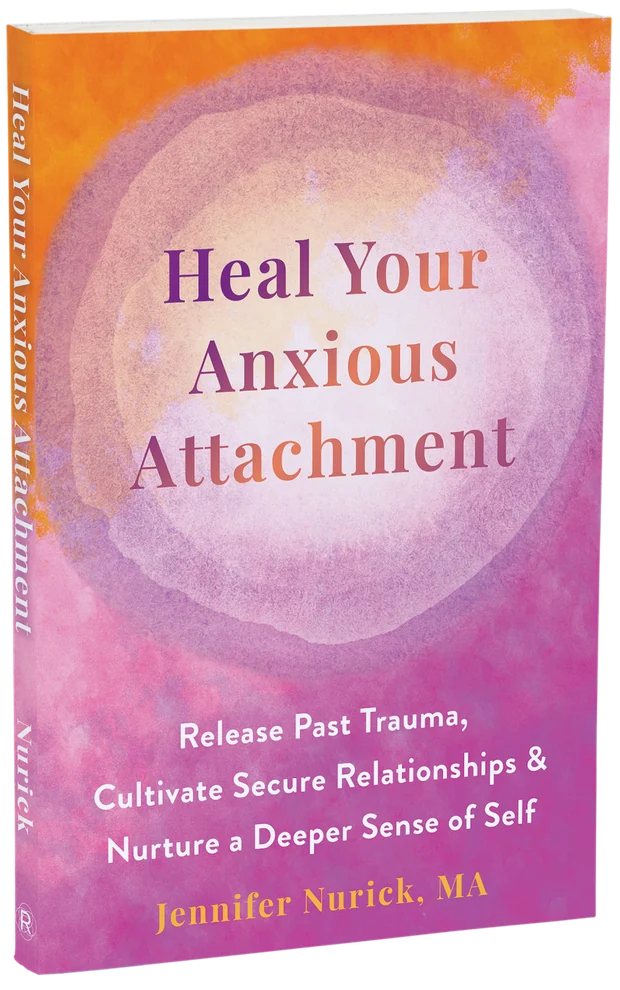
Build secure attachment from the inside out
My book and courses offer a gentle, structured way to understand your patterns and care for the parts of you that learned to protect you. If you would like personal support, you can also work with me directly.


