Attunement: What It Is and How to Build It in Your Relationships

I believe we all yearn for deep attunement: someone who notices how we feel, turns towards us, and walks through the tough places with us. When we have it, we feel safe. When we don’t, even a close relationship can feel lonely.
Attunement sits at the heart of attachment, of good parenting, of loving partnerships and of therapy. The good news is that it can be learned at any age.
What is attunement?
Attunement is the ability to sense and respond to another person’s inner world: their feelings, needs and state of being. It is more than understanding what someone says. It is picking up on their tone, their body language and the shift in energy between you, and responding in a way that lets them know they have been felt.
Psychiatrist Dan Siegel describes this as the experience of “feeling felt”. When someone is attuned to us, we sense that our inner experience has landed in another person and been met with care.
Emotional attunement explained
The developmental psychologist Daniel Stern studied the subtle ways parents and babies connect. He noticed that loving parents don’t simply copy a baby’s expressions. A baby squeals with delight, and the parent responds with a rising “oooh!” and a shimmy of the shoulders that matches the feeling, not the exact behaviour. Stern called this affect attunement. It tells the baby, “I feel something of what you are feeling.”
This is emotional attunement at its simplest: matching someone’s inner state, and showing them you are with them.
Why attunement matters for attachment
Attunement is how secure attachment is built. When a caregiver is reliably attuned, a child learns that their feelings make sense, that their needs matter, and that people can be trusted to show up.
When attunement is missing, through neglect, unpredictability, a parent’s own stress or overwhelm, a child learns something different: that their feelings are too much, unimportant or unsafe. They may stop reaching out, or reach out more and more anxiously. Over time, this becomes the template for adult relationships, and it can show up as anxious, avoidant or disorganised attachment patterns.
A lack of attunement in childhood is also at the core of developmental trauma. Many adults I work with have never felt deeply attuned to. When they experience it for the first time, it can be life changing.
Attunement doesn’t mean being perfect
This is one of the most hopeful findings in attachment research. Developmental psychologist Ed Tronick, known for the “still face” experiment, found that even in healthy, loving parent and baby pairs, they are in sync only around 30% of the time. The rest of the time they drift out of sync, and then find their way back.
Tronick called this rupture and repair. What builds security is not constant attunement. It is the repair: noticing the disconnection and coming back together. Each repair teaches a child, and an adult, that connection can survive a mismatch.
The same is true in your relationships. You will miss each other. What matters is whether you turn back towards one another.
Signs of attunement in relationships
When attunement is present, you might notice:
- You feel seen and understood, even when you don’t fully explain yourself
- Your partner notices shifts in your mood and gently checks in
- Difficult feelings can be shared without being judged, fixed or dismissed
- After conflict, you find your way back to each other
- Your body feels more settled when you are together
Signs that attunement is missing include feeling unheard, conversations that turn transactional, a partner who responds with logic when you need comfort, or repeated cycles of pursuing and withdrawing.
Gottman’s ATTUNE model for couples

Relationship researcher Dr John Gottman found attunement is essential for trust in a relationship. In his book What Makes Love Last? he summarises it with the acronym ATTUNE:
- Awareness of your partner’s emotion
- Turning toward the emotion rather than away from it
- Tolerance of their experience, even when it differs from yours
- Understanding what they are feeling and why
- Non-defensive listening, so they can speak without you protecting yourself
- Empathy, responding in a way that shows you care
In my experience, most people manage the first step, awareness. The second, turning toward, is where we often get stuck, especially if the emotion is one that frightened us as a child. If your partner’s anger reminds you of a parent who was unsafe in their anger, it makes sense that turning towards it is hard.
In that case, start with a less triggering emotion, such as sadness. Notice it in your partner. Notice how it feels in you. Then gently ask yourself what it would mean to step towards it with curiosity rather than judgement.
How to practise attunement
Slow down. Attunement needs presence. Put the phone away and give the other person your full attention, even for a few minutes.
Notice the body. Facial expression, posture, breath and tone often tell you more than words.
Reflect what you sense. “You seem a bit flat tonight. Am I reading that right?” Tentative is good. It invites correction rather than assuming.
Stay with the feeling before fixing. Most of us rush to solve. Often what is needed is simply company in the feeling.
Repair quickly. When you miss, name it. “I wasn’t really listening earlier. Can we try again?” Repair is attunement in action.
Attune to yourself. We can only offer others the attunement we are able to offer ourselves.
Attunement with yourself: an IFS perspective
In Internal Family Systems (IFS) therapy, attunement turns inwards. We learn to notice our parts, such as the anxious part, the critic or the one who withdraws, and to meet them with curiosity, compassion and calm from a place we call Self.
When we attune to our inner parts the way a loving parent attunes to a child, they begin to trust us. Protective parts soften, and younger parts feel safe enough to share what they carry. This is how we build inner secure attachment: a steady, caring relationship with ourselves that makes it easier to attune to others.
Attunement in therapy
As a therapist, attunement is the heart of my work. I am noticing the small shifts in a client: when they become distressed, when they go quiet, when something touches them. I name what I notice and help them return to their window of tolerance. I often think of it as good mothering, because it is.
For people who have rarely felt attuned to, experiencing this in therapy creates a new imprint. Once you know what it feels like to be truly met, you begin to recognise it, ask for it and offer it in your relationships. Secure attachment can be learned, and an attuned therapeutic relationship is one of the best places to begin. I offer online attachment and trauma therapy and couples therapy for people who want to build this kind of connection.
Frequently asked questions
What does attunement mean?
Attunement means sensing another person’s emotional state and responding in a way that shows you understand and care. It is the experience of “feeling felt”.
What is emotional attunement?
Emotional attunement is being in tune with someone’s feelings, noticing them, matching them and responding with empathy, rather than only responding to their words.
What is affect attunement?
Affect attunement is a term from psychologist Daniel Stern describing how caregivers match a baby’s feelings, often through a different channel, such as answering a joyful squeal with a delighted voice. It shows the baby their feelings have been shared.
What is attuned parenting?
Attuned parenting means noticing and responding to a child’s feelings and needs well enough, often enough, and repairing when you miss. It is “good enough” parenting, not perfect parenting.
Can you learn attunement as an adult?
Yes. Attunement is a skill. Through practice, supportive relationships and therapy, adults who did not experience attunement as children can learn to give it, receive it and offer it to themselves.
A final reflection
Attunement is one of the most loving gifts we can give: a moment of our presence and compassion in someone else’s world.
Which emotions in others are hardest for you to turn towards, and what might they be asking of you?
Love, Jen
Discover more from Jennifer Nurick
Subscribe to get the latest posts sent to your email.
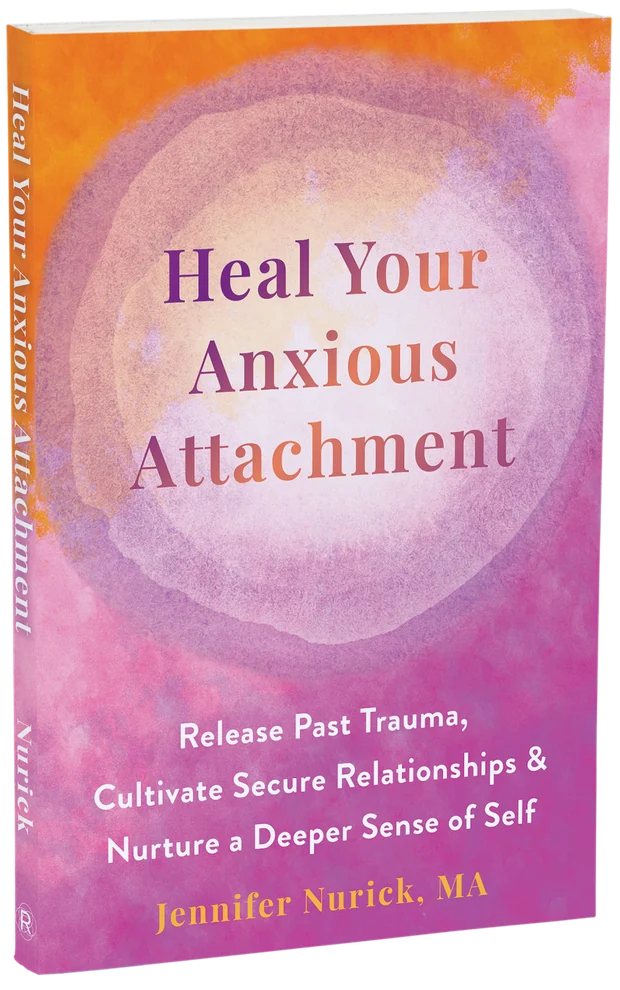
Go deeper
Build secure attachment from the inside out
My book and courses offer a gentle, structured way to understand your patterns and care for the parts of you that learned to protect you. If you would like personal support, you can also work with me directly.


