One of the clearest signs you’re responding from an old wound is that your reaction doesn’t seem to fit the situation in front of you. You might know you’re safe, but your body doesn’t. Your heart races, your chest tightens, …
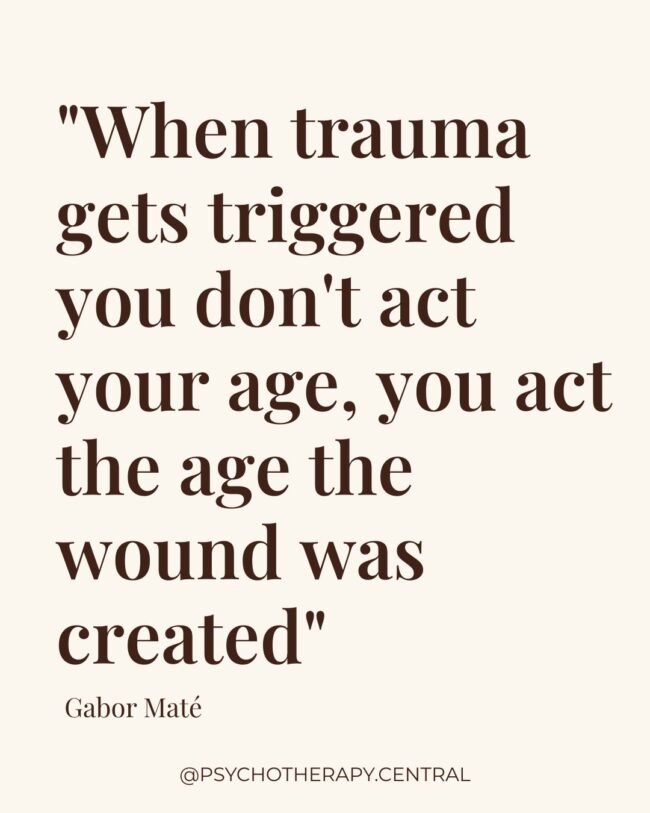
When You’re Triggered, You’re Not Responding From Your Adult Self
One of the most important things to understand about trauma is that when we’re triggered, we’re often not responding from our adult self. We’re responding from the age the wound was created. A disagreement with your partner might suddenly feel …
How Confidence Is Really Built
Your brain doesn’t learn that you’re capable because you tell yourself you are. It learns because you do hard things, survive them, and slowly begin to trust yourself. That’s how confidence is built. Confidence isn’t something you think your way …
The Biggest Mistake People Make in Healing
One of the biggest mistakes I see people make in healing is trying to get rid of the parts of themselves they don’t like. The anxious part, the angry part, the avoidant part, the people-pleaser, the perfectionist. I get it …
The Courage to Stay When Everything Feels Unfamiliar
At 12 years old, I left my school on a council estate in England to attend a private school on a scholarship. I remember feeling completely out of place. The girls seemed to come from a different world — they …
Memory Reconsolidation: Why Your Brain Can Still Heal
One of the most exciting discoveries in neuroscience is something called memory reconsolidation. For years, scientists believed that once an emotional memory was formed, it couldn’t be changed. We now know that’s not true. When an old emotional memory is …
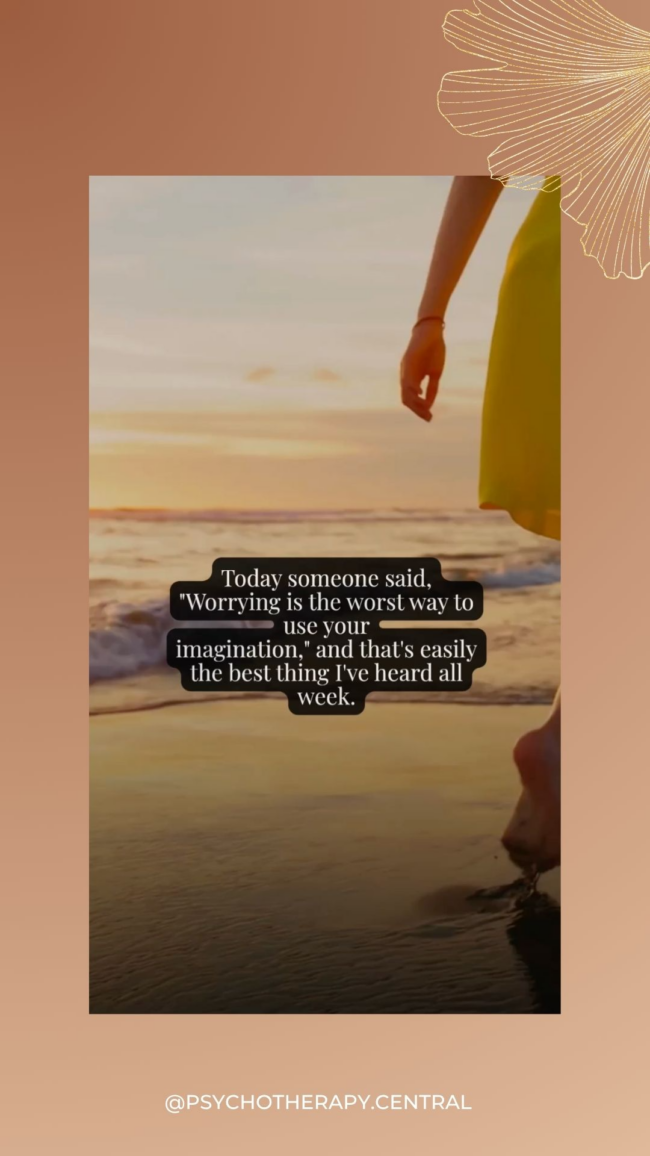
Worrying Is the Worst Way to Use Your Imagination
Today someone said, “Worrying is the worst way to use your imagination,” and that’s easily the best thing I’ve heard all week. Like most people, I have a part that worries. Worries about my kids, my work, the world… Sometimes …
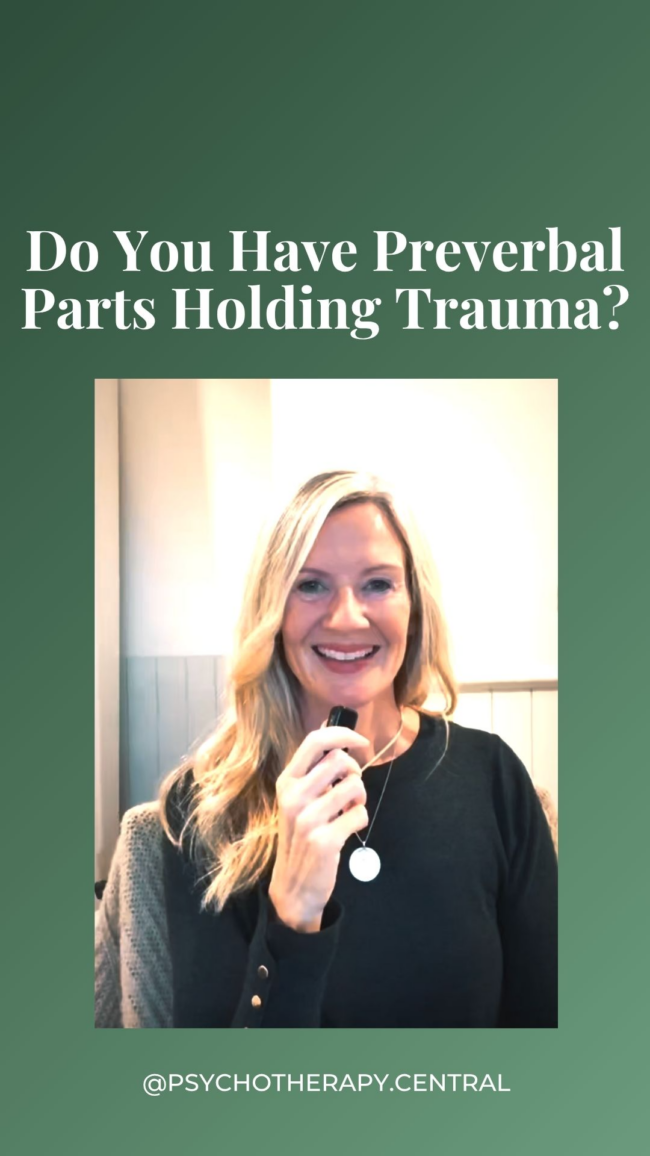
When Your Body Remembers What Your Mind Can’t: Understanding Preverbal Parts
Sometimes the strongest emotional reactions aren’t coming from your adult self. They’re coming from a part of you that was formed before you even had words. A preverbal part. Preverbal parts are formed before we have language. They don’t communicate …
Your Youngest Wounds Don’t Have Words: Understanding Preverbal Parts
Your youngest wounds don’t have words. If something inside you feels overwhelmed… panicked… or desperately alone… it may not be your adult self reacting. Some of our deepest emotional wounds formed before we had language. Before we could explain what …
You Don’t Have to Remember What Happened to Heal
One of the biggest myths about healing is that you have to remember what happened. You don’t. Some of our deepest wounds were formed before we had language. Before we could tell a story or make sense of our experiences. …