Attachment Adaptations and Trauma

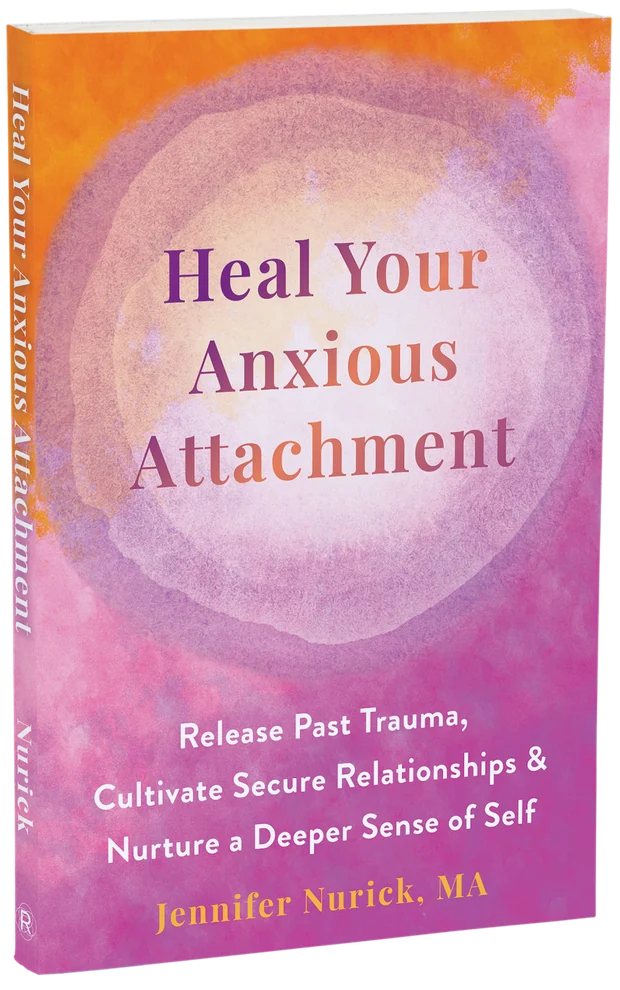
This is an excerpt from my upcoming book “Heal Your Anxious Attachment” landing Feb 2024.
When you have one of the insecure attachment styles, it is easy to be self-critical and feel flawed in some way when you see yourself being anxious or avoidant in relationships.
It is helpful to keep in mind the cause of the insecurity. Essentially, it is the result of feeling unsafe in some way. Sometimes, in many different ways. When you feel unsafe as a child, you have to create safety in some way. You might have done this by staying close to your caregiver, avoiding them and shutting down. Whatever strategy you used was not a conscious choice. It was an adaptation to a confusing situation.
Next time you feel yourself falling into old patterns, remember this. I hope it will inspire self-compassion.
Much love, Jen
Discover more from Jennifer Nurick
Subscribe to get the latest posts sent to your email.
Go deeper
Build secure attachment from the inside out
My book and courses offer a gentle, structured way to understand your patterns and care for the parts of you that learned to protect you. If you would like personal support, you can also work with me directly.


