The Three Steps to Communicating a Need
Communicating your needs is part of secure attachment. If you want to hear more about this 🎧 listen to the full episode to explore…

Communicating your needs is part of secure attachment. If you want to hear more about this 🎧 listen to the full episode to explore…

If you didn’t grow up with secure attachment, it can feel like chasing something that you don’t have a clear idea of. So, let’s…

In a secure relationship, your nervous system’s resting place is in the ventral vagal state—a branch of the parasympathetic nervous system associated with social…
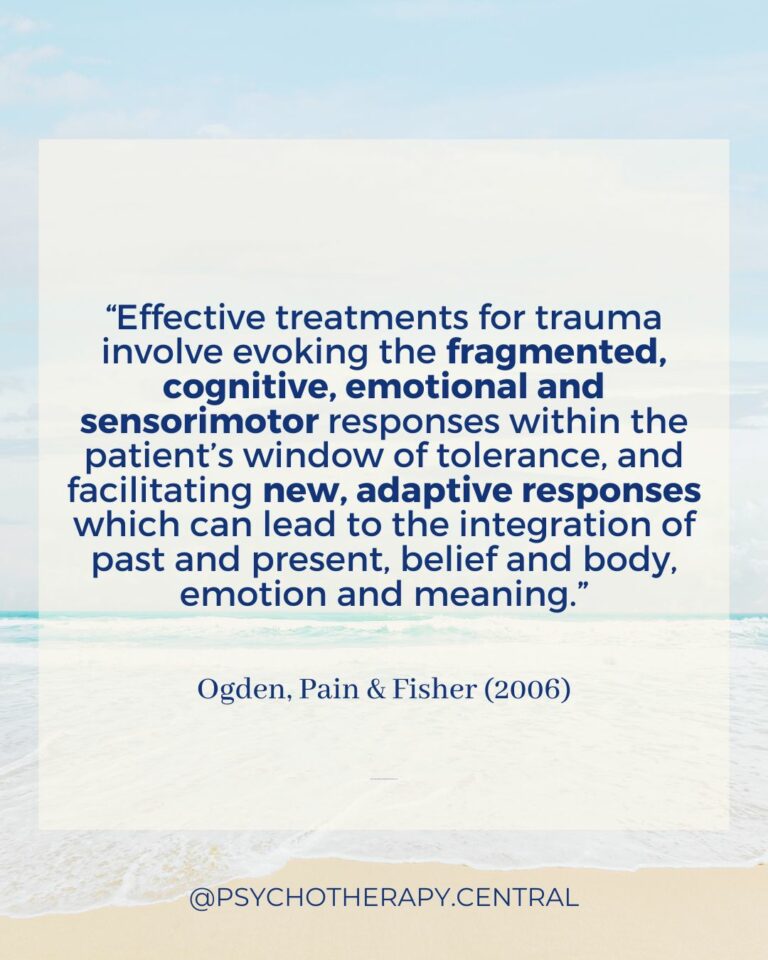
When we experience trauma, our thoughts, emotions, and body can feel fragmented—like they’re speaking different languages. We might notice flashbacks, racing thoughts, numbness, dissociation,…
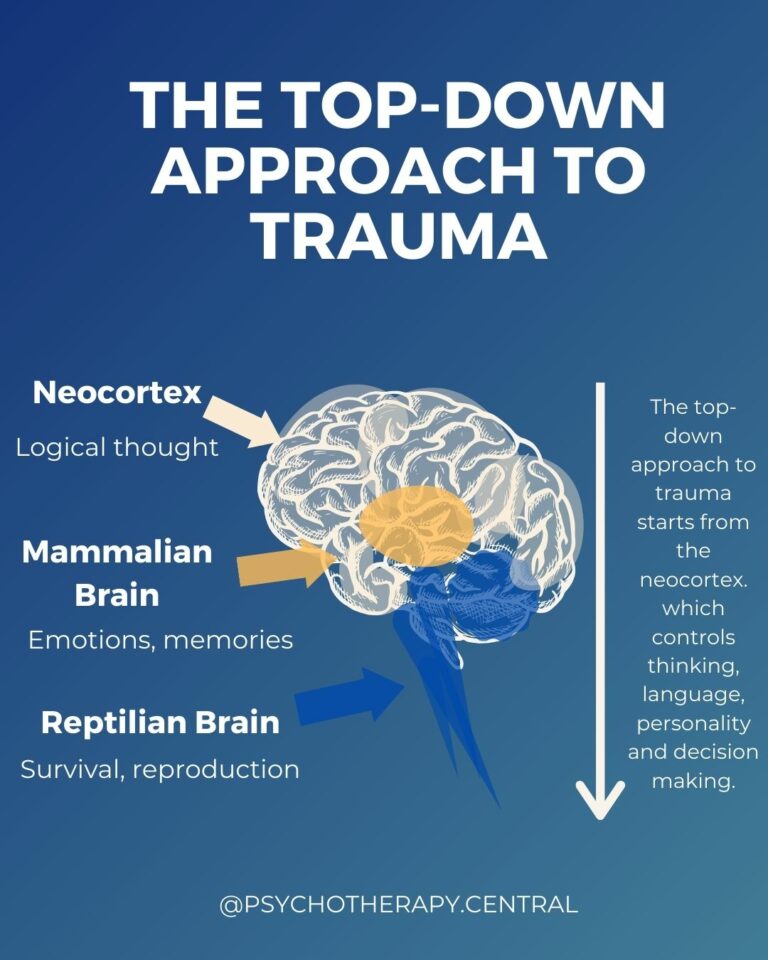
When we work with trauma from a top-down perspective, we start with the brain—specifically the neocortex, the part responsible for thinking, meaning-making, and language….
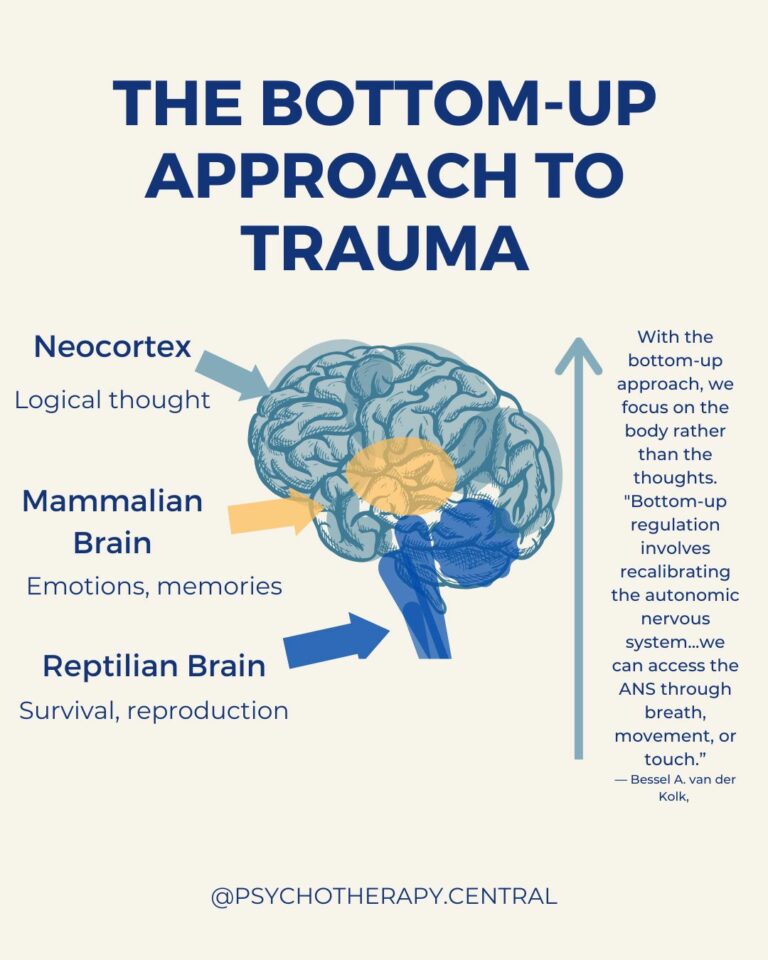
Top-Down vs Bottom-Up Healing When it comes to trauma therapy, the order matters. A top-down approach starts with the thinking brain (neocortex). Cognitive Behavioural…

An attachment injury happens when the person you rely on most—your partner, parent, or caregiver—fails to respond in a moment of deep need. …
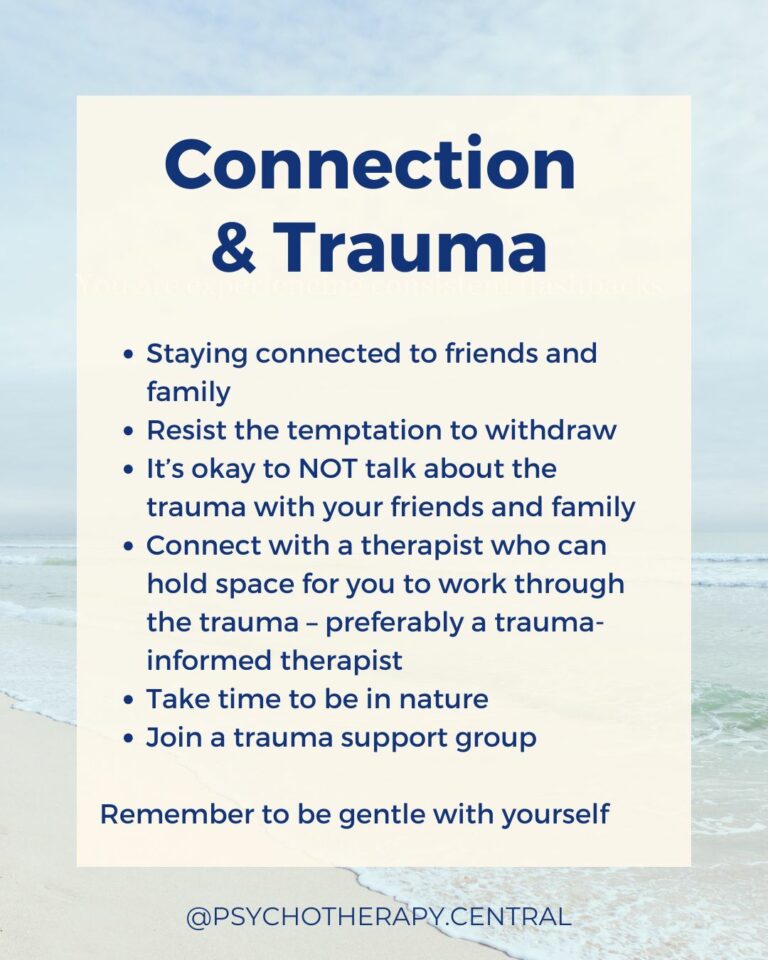
When we’ve experienced trauma, it’s common to want to pull away. To feel shame. To think, “I should be over this by now,” or…

When we’ve been hurt, lashing out can feel justified. It’s a natural response to pain. But if we stay in punishment mode, we risk…
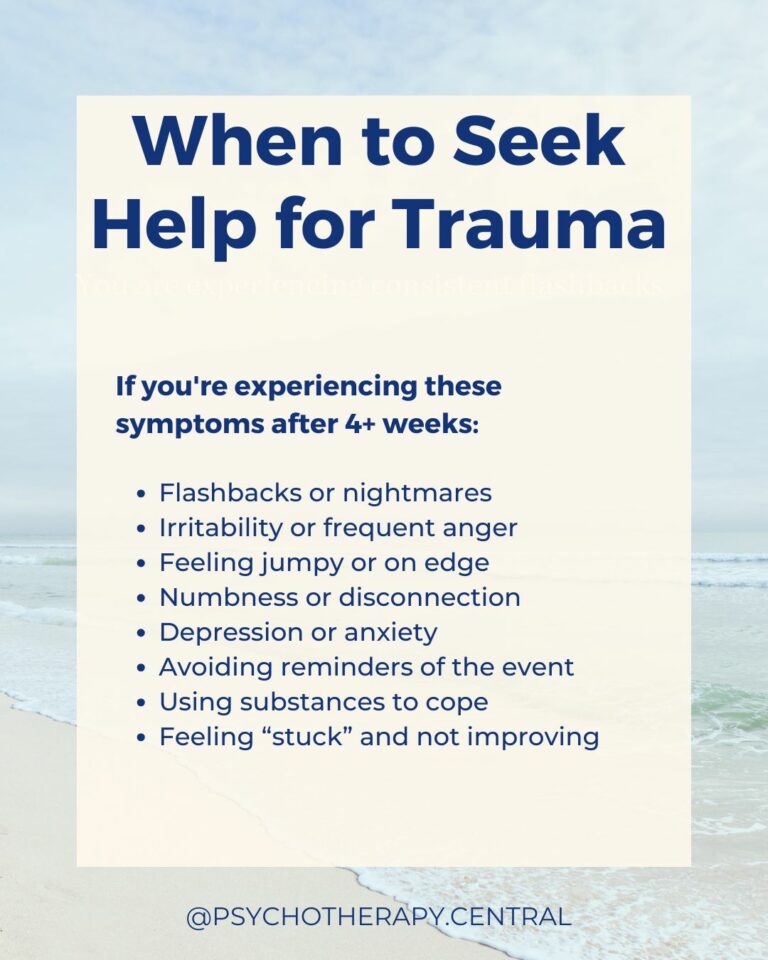
Trauma can feel like a crack in your energy system—sometimes it heals naturally, and sometimes it doesn’t. When symptoms persist or worsen after a…