Ep 37 Dissociation
In this episode, we cover the following: Let me know what you think and if you love it – please leave a review. Big…
In this episode, we cover the following: Let me know what you think and if you love it – please leave a review. Big…
Assisting at the training was a corrective ‘family’ experience for me. In the group format, I saw people be heard, held, and accepted. I…
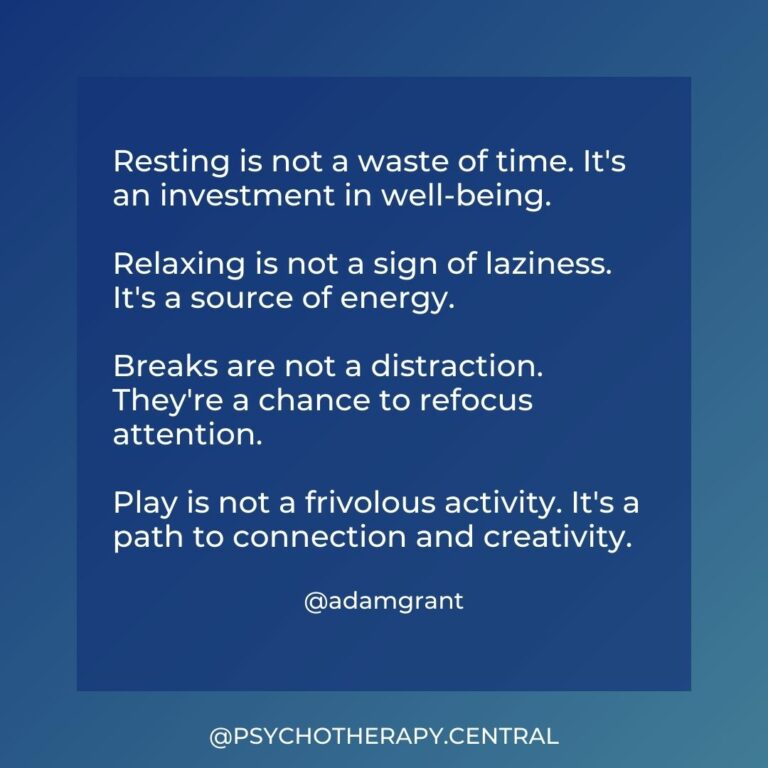
We often get caught in an inner polarity, a tug of war between a productive part and a part of us that wants to…
I’ll be apart from my husband for 29 days in November. I’m taking a retreat to India, and he will visit family in the…
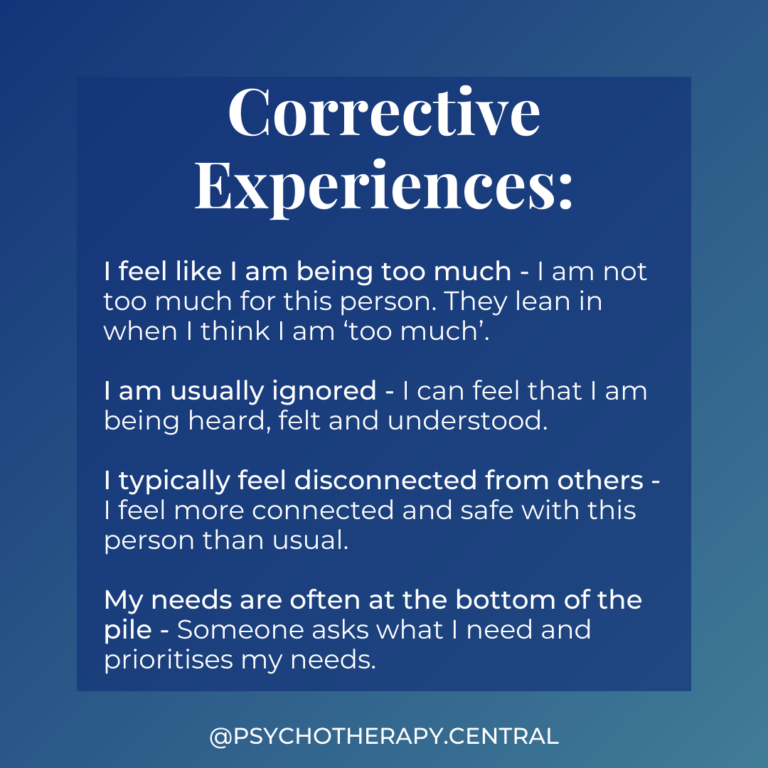
As a therapist, I know about the importance of corrective experiences. They help create a different template of how we are treated and what…

A redo sounds like: “That came out way too harsh. Can I say it again in a kinder voice?” This teaches your child a…
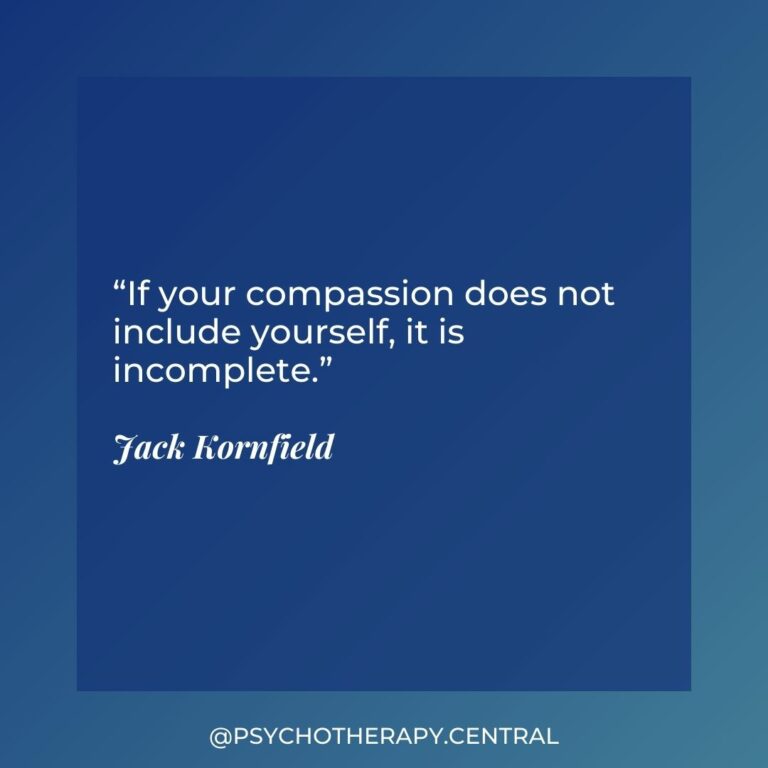
“If your compassion does not include yourself, it is incomplete.” | Jack Kornfield
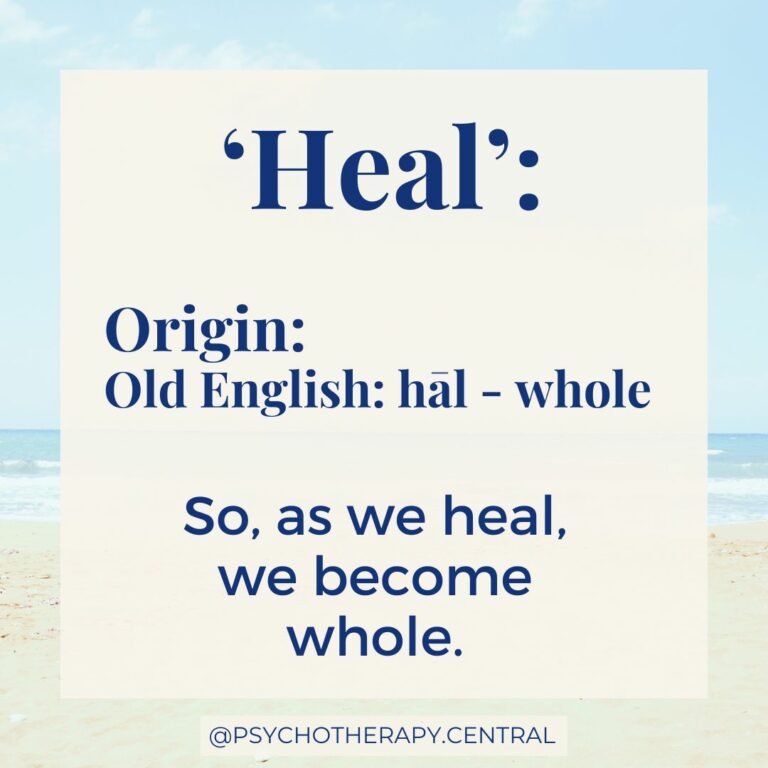
We become more integrated. And perhaps more connected to the bigger ‘whole’.

When you pursue yourself, different doors open to you. New possibilities emerge because your model of yourself, others and the world starts to change.
Ego states theory says that we have many parts of ourselves with different desires and agendas. When we grow up in relative safety, the various parts of ourselves have thinner walls around them that allow the different parts to communicate. When you have had a childhood that required you to develop extreme survival strategies or neglect, for example, the parts of self have thicker walls around them, making it more challenging to have a sense of an integrated Self. You might find that one part takes over entirely and does things that the other parts of you are unhappy about. Check out episode 36 of the Psychotherapy Central Podcast to learn more about dissociation and ego states.